NYC Showroom opening summer 2026
Book a Free Consultation




A decade ago, smart home tech looked like a luxury toy. Today, it is edging toward the default. Better apps, natural language voice control, stronger interoperability, and lower entry barriers moved the smart home from “nice to have” to a practical utility that saves time, trims energy, and fits real life.
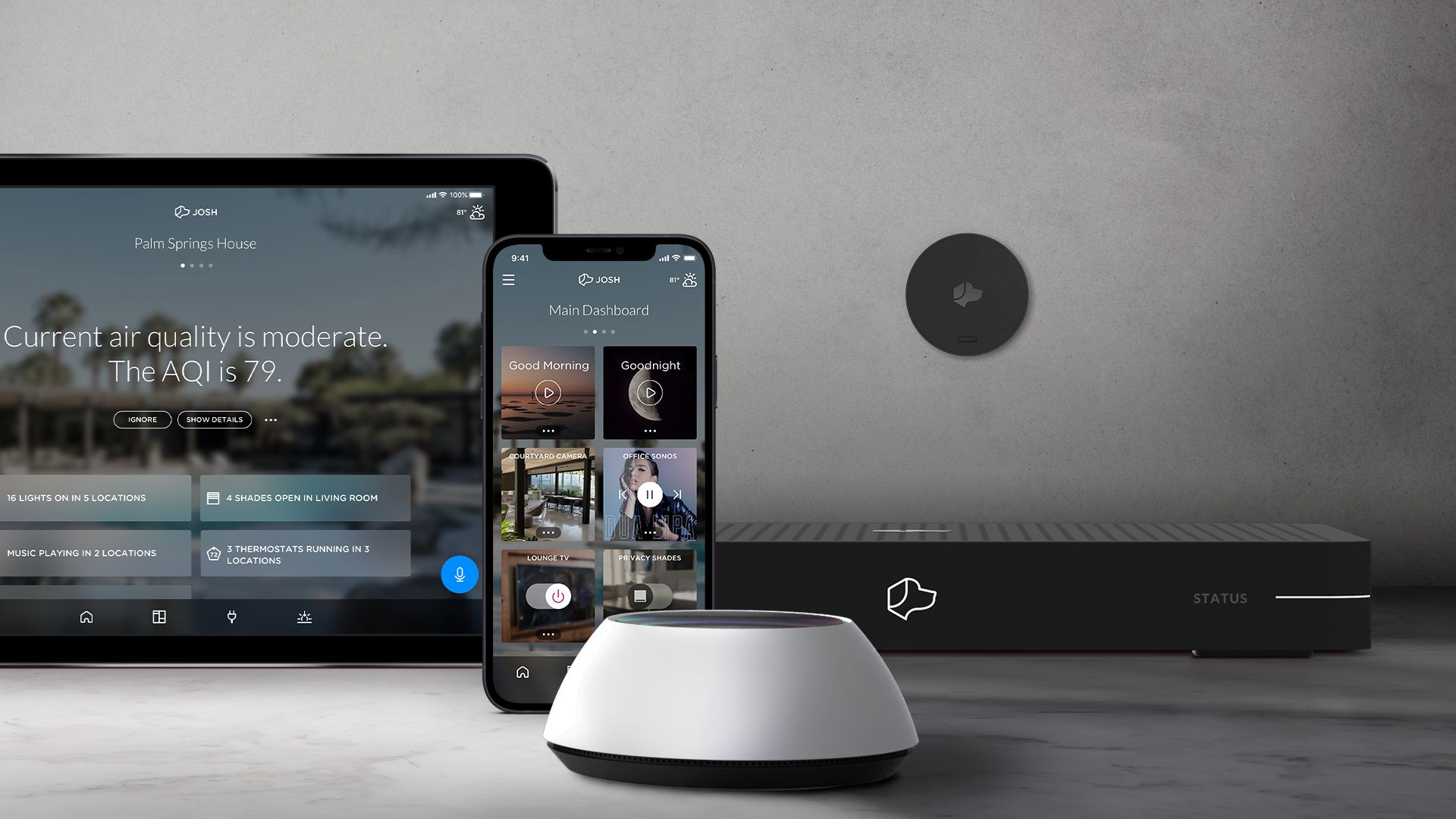
Low-cost ecosystems like Alexa or Google Home gave millions a first taste of hands-free control for lights, plugs, and speakers. In parallel, premium platforms such as Lutron for lighting and shades and Josh.ai for voice control, which can also operate as a standalone control system, have matured into reliable whole-home orchestration without the brittle app-per-device experience. Modern voice control understands rooms, context, and chained requests. One sentence can dim lights, lower shades, and start a movie in the right room. That shift from rigid phrases to conversational commands makes voice the most intuitive interface for daily tasks.
The industry-backed Matter standard keeps improving reliability and setup across brands, so people spend less time troubleshooting and more time using their homes.
Smart thermostats deliver measurable savings with intelligent setbacks, usually in the single-digit share of heating and cooling bills. Automated shading and lighting control often add more. The result is a home that feels better while quietly wasting less.
Scenes for moments: Movie with low lighting and closed shades, Good Morning that gradually brings up lights with energizing music. Pre-set climate that follows your schedule. Lighting that mimics the day-night cycle to support sleep and alertness. Whole home audio and video without juggling remotes.
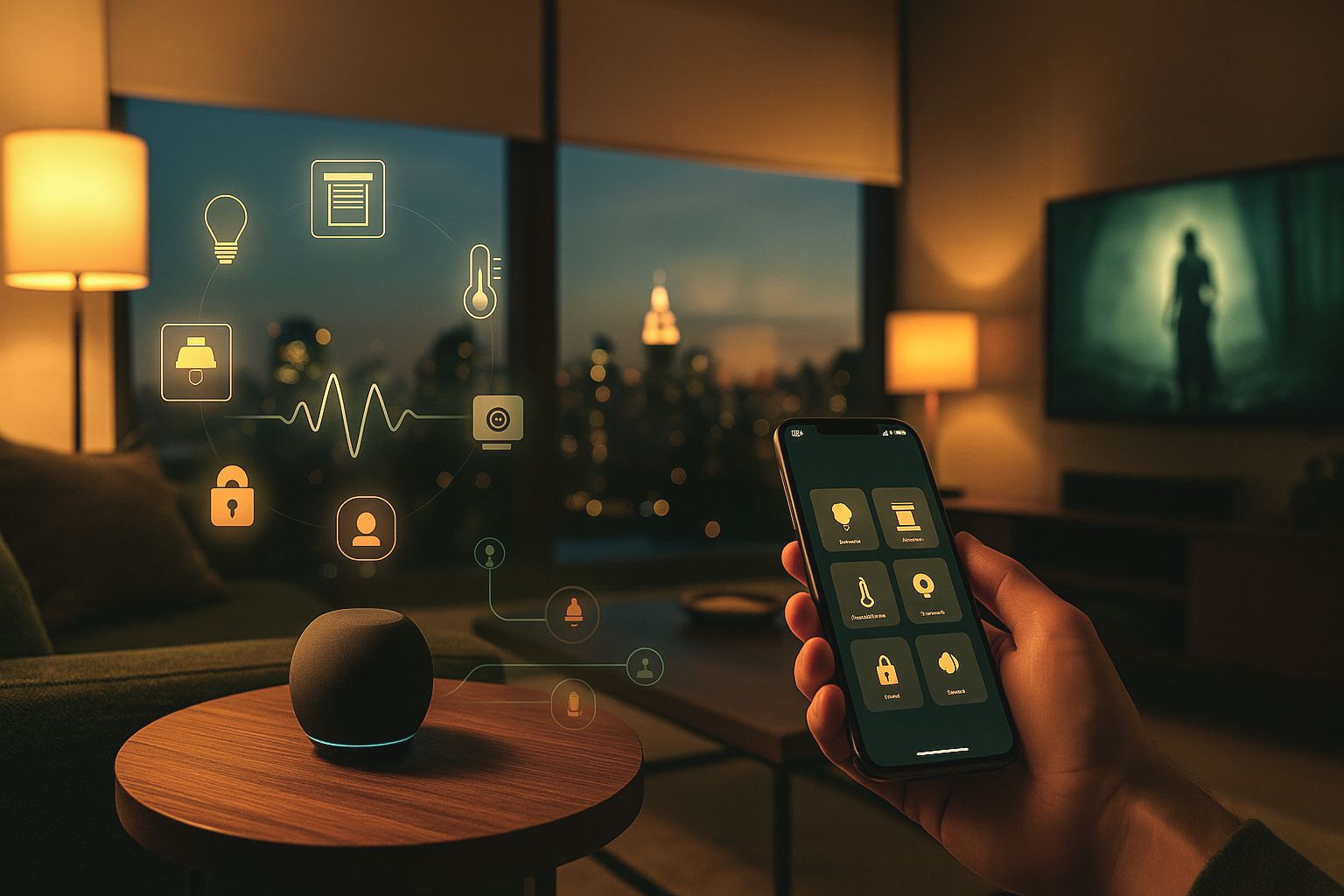
Smart alarms, locks, cameras, and motion sensors unify into one system on your phone. Get an alert for suspicious movement, view cameras in real time, and lock or unlock a door remotely. If motion is detected at night, lights can turn on automatically to deter an intruder and send an alert.
Convenience is real productivity when the house shuts everything down at bedtime, warms the living room before you wake up, or confirms the door is locked after you leave. For many with mobility challenges or aging in place, voice-first, sensor-assisted control is independence, not a perk.
In a world where time is limited, energy is expensive, and everything is connected, a home that anticipates and simplifies routine tasks is common sense. What once looked like showmanship is now everyday utility: safer entries, alerts, calmer mornings, fewer “did I leave that on” moments, better light and temperature, and control that works the way we speak.